Safeline Metal Detectors
Metal detectors are low-cost method of detecting metallic contaminants that may have entered food products during harvesting, processing, or packaging. They have their own strengths and weaknesses when compared to X-ray, which are detailed here. We offer a variety of metal detectors from Safeline along with our own software to improve its efficacy.
Custom Configurations
Conveyor Metal Detectors
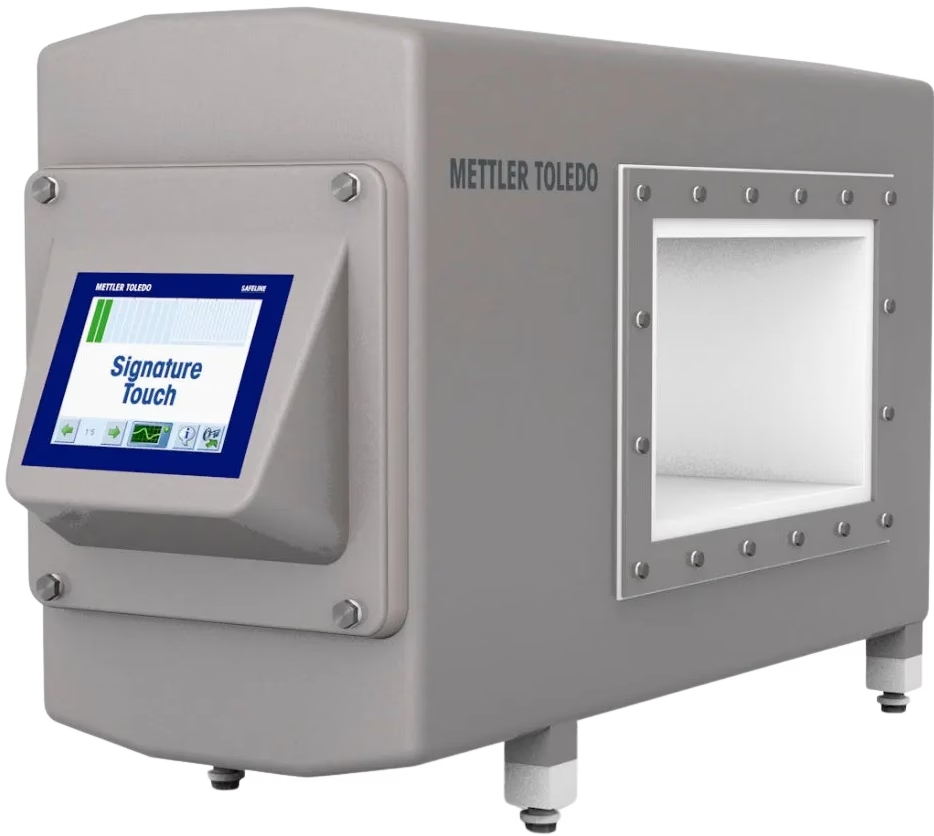
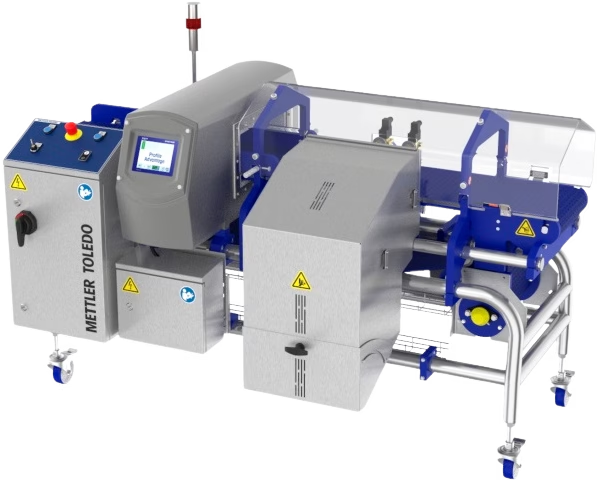
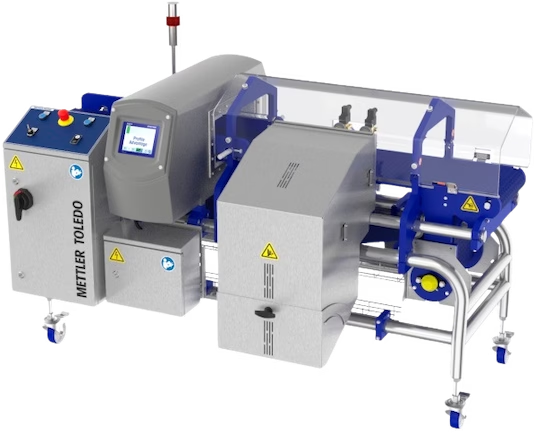
This type is the most common kind, and the first to come to mind: a metal detector integrated with a conveyor belt. The metal detector is usually located at the end of the conveyor belt and can detect metallic contaminants in packaged or unpackaged food items. They are available with varying sizes of cavities—also called tunnels—for different-sized products. Unlike with x-ray though, the larger the cavity the less accurate the detector. We provide Safeline belt metal detectors in both "system" configurations with belt included, or as a standalone unit to go over existing belt. If this is what you'd like, remember that there needs to be a metal-free zone around the metal detector equal to roughly 1.5x the largest dimension of the cavity. So if the cavity is 8" tall and 12" wide, there can't be any metal within 18" of the detector.
Pipeline Metal Detectors
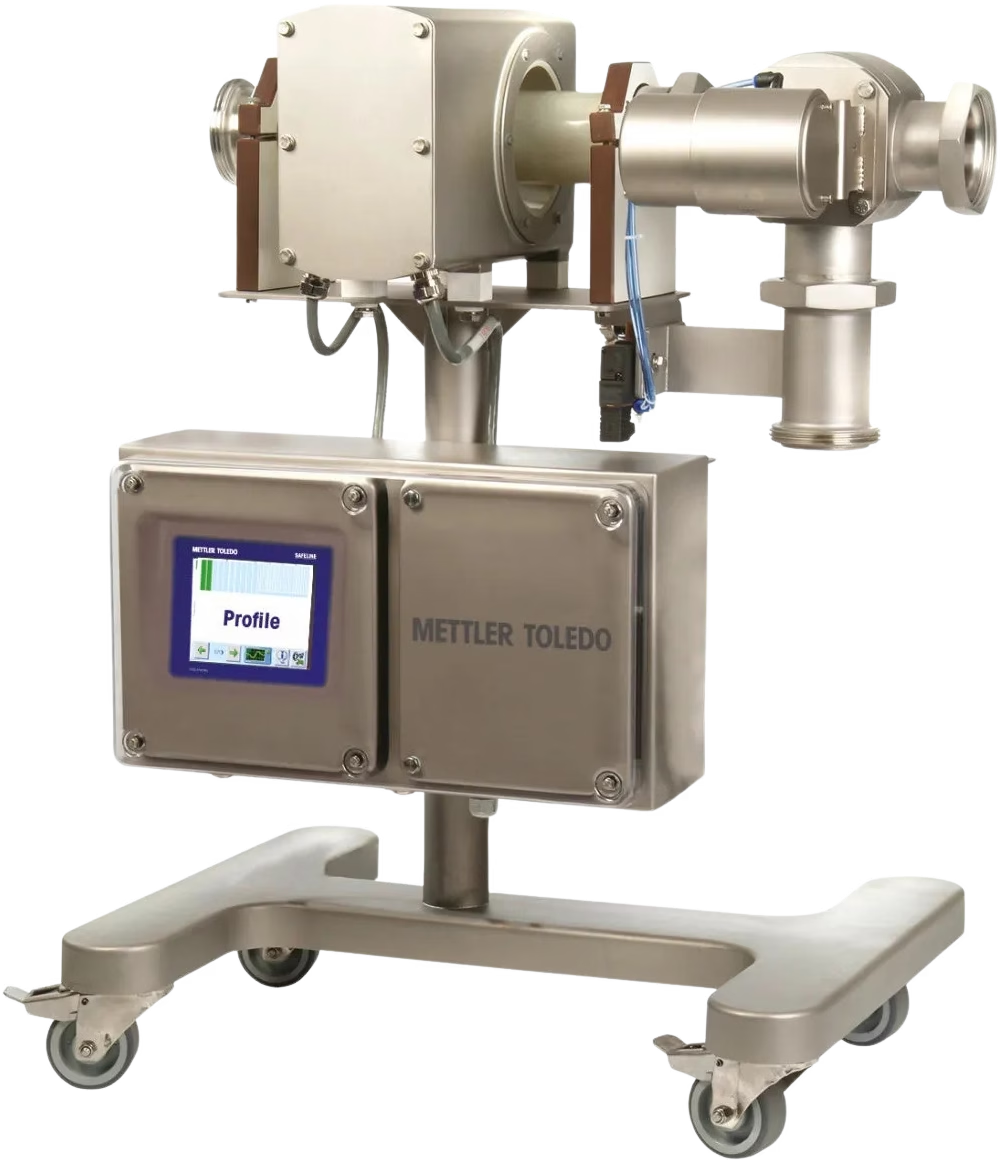
We use pipeline metal detectors in food processing plants where product is pumped. The metal detector is installed in the pipeline and can detect metallic contaminants in liquids or slurries. Pipeline metal detectors are designed to be easy to clean and maintain, and they can be customized to suit specific product and pipeline configurations. One benefit of Safeline's pipeline units is that the validation process is less messy.
Gravity-Fed Metal Detectors
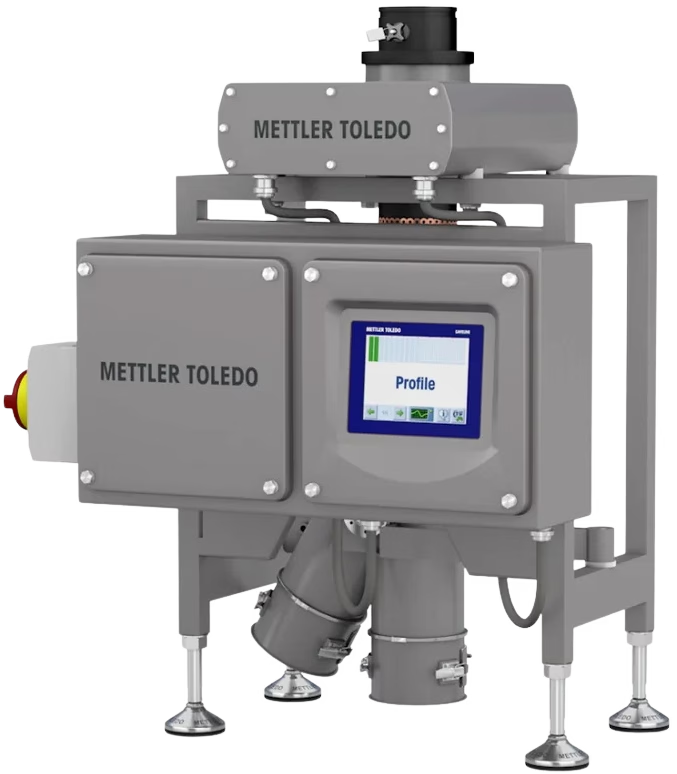
This type of metal detector is used primarily for dry, loose ingredients and products. When there is enough space in the line, gravity-drop metal detectors are always preferred because they're less expensive, get better specs, and take less space than other options for bulk dry products. This is because the "tunnel" is comparatively small to those necessary on belts. Gravity-fed metal detectors are easy to use and can detect metallic contaminants in a wide range of products, including dry, powdered, or granular products.
Custom Reject Systems
We can integrate any reject system into virtually any metal detector, regardless of brand.
Air blast reject system
This system uses a blast of compressed air to remove contaminated products from the production line. It is ideal for high-speed lines and can remove products without causing damage. The system is also suitable for handling delicate products, such as fruits and vegetables.
Pusher reject system
This system uses a mechanical arm to push contaminated products off the conveyor belt. The pusher arm is activated by a signal from the metal detector, and it can remove products quickly and efficiently.
Drop-down reject system
This system uses a series of air-operated pistons to drop contaminated products from the production line. It is suitable for handling heavy products, such as meat or cheese, and can remove them without causing damage.
Belt-stop reject system
This system stops the conveyor belt when a contaminated product is detected. It is suitable for low-speed lines and is ideal for handling large and heavy products.
Diverting reject system
This system diverts contaminated products to a separate reject channel or bin. It is ideal for handling small and light products and can remove them without causing damage.