
Top Bulk Bag Unloader Safety Tips
Bulk bag unloading systems can save a lot of money in labor and the cost of your ingredients. But with automation comes safety procedures. If you want to avoid accidents, training your employees with the following tips will help.
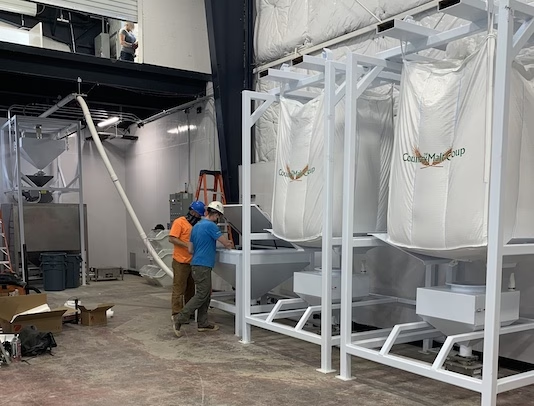
1. Inspect Bags and Equipment Before Use
Before you prepare to use a bag in your system, check them for damage. Over time, bulk bags can have wear and tear to the lifting loops—some are only intended for a single lift. When you load the bag, it could break and fall. Look at the lifting loops before relying on them.
The same is true for the equipment. You should inspect the frame, hoist, and discharge mechanisms periodically and after any incidents, like with a forklift, for example. Ensure that it all works properly and has structural integrity. In addition to preventing a dangerous accident, your inspection could prevent damage to the equipment.
2. Use Only Approved Lifting Equipment
The bags that go into these systems aren’t light. So, when you set up your production line for lifting bags into the unloading system, you need to make sure they’re strong and durable enough for the job.
When using lifting frames or hoists, check the manual and find out if they’re designed for bulk bags. If not, you should refrain from using them. Bulk bags require different hoists and frames than other materials. You should also ensure that the equipment is rated appropriately for your bulk bags. If you have forklifts or hooks, they should be designed with your bag and system in mind (sharp corners can cut through a bag if it’s too heavy).
3. Maintain Proper Bag Positioning
Due to the weight distribution of full bags, they’re prone to tipping while on the frame. The best way to prevent the bag from tipping and spilling its contents is to ensure it’s centered and secure in the support frame. Doing this also ensures the flow from the bag is even and consistent.
When looking at the bag placement, confirm that the spouts or valves line up with the downstream equipment. Taking a little extra time to do this could prevent an unfortunate accident.
4. Wear Proper Personal Protective Equipment (PPE)
If your bulk bag contains large, rigid chunks, you should consider steel-toed boots. For materials that produce a great deal of dust or debris, safety glasses— bust especially dust masks—are greatly helpful.
Gloves are often an appropriate safety measure. In addition to preventing injuries, gloves can prevent contamination. You should have a strict PPE policy and educate all of your employees on that policy.
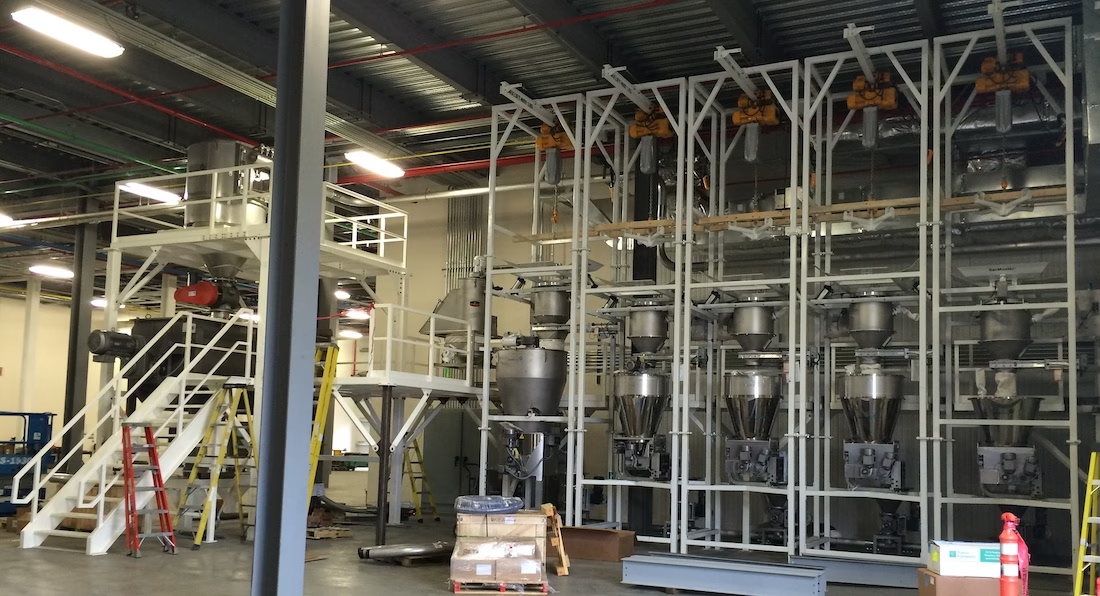
5. Control Dust and Airborne Material
To take things one step further than PPE, you should limit the amount of dust and airborne material in your space. Accomplishing this is sometimes as simple as using dust-tight connections, of which ABM has a number of proprietary solutions for each type of equipment. For systems where this is not possible or retrofitting the system would be too expensive, dust collection is greatly helpful. This reduces load on lungs, risk of slipping, and attraction of pests—and once you get pests, they’re nearly impossible to get rid of. We have options for every type and size of system.
It’s also important to keep access panels closed during unloading. When your workers breathe, they won’t inhale as much debris.
6. Follow Lockout/Tagout (LOTO) Procedures
If your equipment isn’t de-energized during maintenance or cleaning, there’s a higher risk of an accident. Always turn off or de-energize your bulk bag unloading systems before doing any work on them.
Furthermore, follow all LOTO protocols. You don’t want an employee to accidentally start up the system when they’re not expecting it to turn on. If you’re an operator, you’ve heard “lock-out tag-out” so much it’s begun to lose meaning, but you hear it a lot for a reason. When it comes to missing appendages and broken limbs, LOTO is the common denominator that was not followed but would have prevented them.
7. Don't Stand or Reach Under a Suspended Bag
People get used to bags hanging solidly on their hooks after weeks, months, and years of working around them and start to assume they’re solid. But they are being suspended by rippable fabric and should never have something as fragile as a human standing beneath them. Likewise, no employee should reach their arm too far under a suspended bag.
Every hanging load is a potential hazard. When you design your systems, ensure that they limit the need for handling and exposure.
8. Follow Manufacturer Guidelines
The equipment manufacturer always knows best. During your operations, follow all manufacturer guidelines. This means noting load limits and sticking to operating procedures. This is especially important for used equipment and when beginning to manufacture another product. For example, imagine you are making products from recycled materials. When starting, you get a bulk bag unloaders to hold shredded carboard, so someone sells you a lighter model because you want to save money and it doesn’t need to be that strong. Years later you start making things out of gypsum (drywall) and order a bulk bag of it because you already have a BBU and they’re made to hold bulk bags, right? Well, gypsum is 10 times heavier and things will start breaking.
Your maintenance schedule should also follow the directions in the manual. All of your procedures and training should revolve around the manual.
Proper training is the key to maintaining a safe environment with your bulk bag unloading systems. If you follow the tips above and employ a training program that also follows those tips, you can limit accidents and keep your equipment running smoothly. If you need storage, handling, or other processing equipment, chek out our products.
Storage Equipment
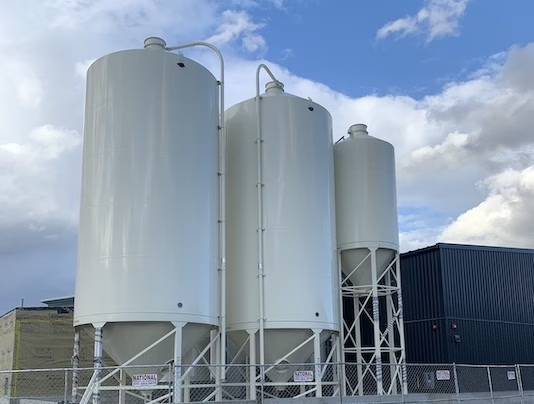
Silo Sales
Silos for every application from aggregates to agriculture and food ingredients, with options for all environments, and with the related equipment for every application. We handle your whole project from engineering and fabrication to integration and controls.

Bulk Bag Unloaders
We provide bulk bag unloaders (BBUs) for food, nutraceutical, pharmaceutical, and chemical manufacturing systems. There are many configurations available on the market, so whether we source or build them will depend on your needs. The benefits of moving to BBUs (assuming your ingredient demand warrants them) are listed below.

Silos
ABM Equipment provides silo sales and servicefor food, chemical, and nutraceutical applications. ABM Equipment handles process engineering, mechanical engineering, integration, and service for silos, as well as our own custom leak-proof gates. We will design your system, help navigate zoning and seismic requirements, and find creative ways to satisfy or avoid other municiple requirements.

Work Bins
ABM fabricates and sources work bins of all types, from totes on wheels to product staging in continuous processes, in all metal materials from carbon and stainless to aluminum. We handle install, integration, and service on all intake and discharge conveyance as well as surrounding equipment.
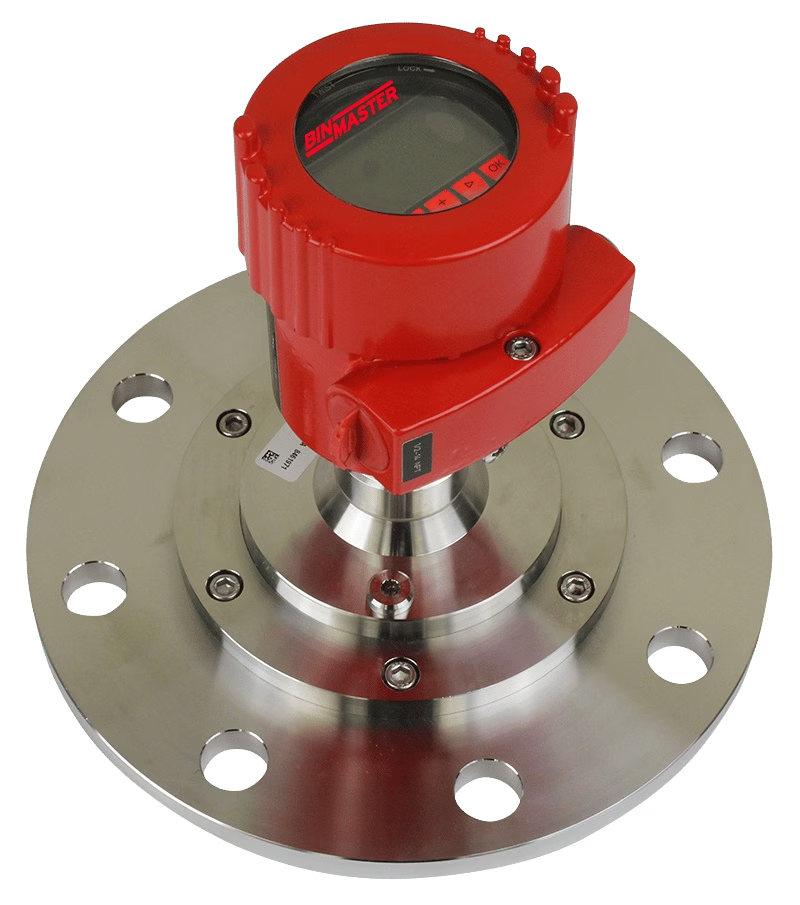
Level Indicators
ABM sources the best combination of models, features, accuracy, reliability, and price for you application from all suppliers on the market. BinMaster has a product guide which is useful for comparing methods for level detection, and we’ve provided a summary of the common options below. The recommended supplier for your application, however, will depend on your situation. Browse below or skip the work and send us a message to find your viable options.